Protein Turnover Processes
A detailed examination of amino acid metabolism, protein synthesis mechanisms, protein breakdown processes, and the dynamic tissue remodelling that characterises living systems.
Protein Synthesis Overview
Protein synthesis is the fundamental process by which new proteins are assembled from amino acids according to genetic instructions. This process occurs continuously throughout the body, supporting tissue maintenance, growth, and adaptation. The rate of protein synthesis varies among tissues and is influenced by nutritional status, hormonal environment, and mechanical stimulus.
Ribosomes are the cellular machinery responsible for protein synthesis, reading messenger RNA (mRNA) templates and adding amino acids in the correct sequence. Different tissues have different protein turnover rates, with some proteins being rapidly synthesised and degraded while others are very stable.
Amino Acid Availability and mTOR Signalling
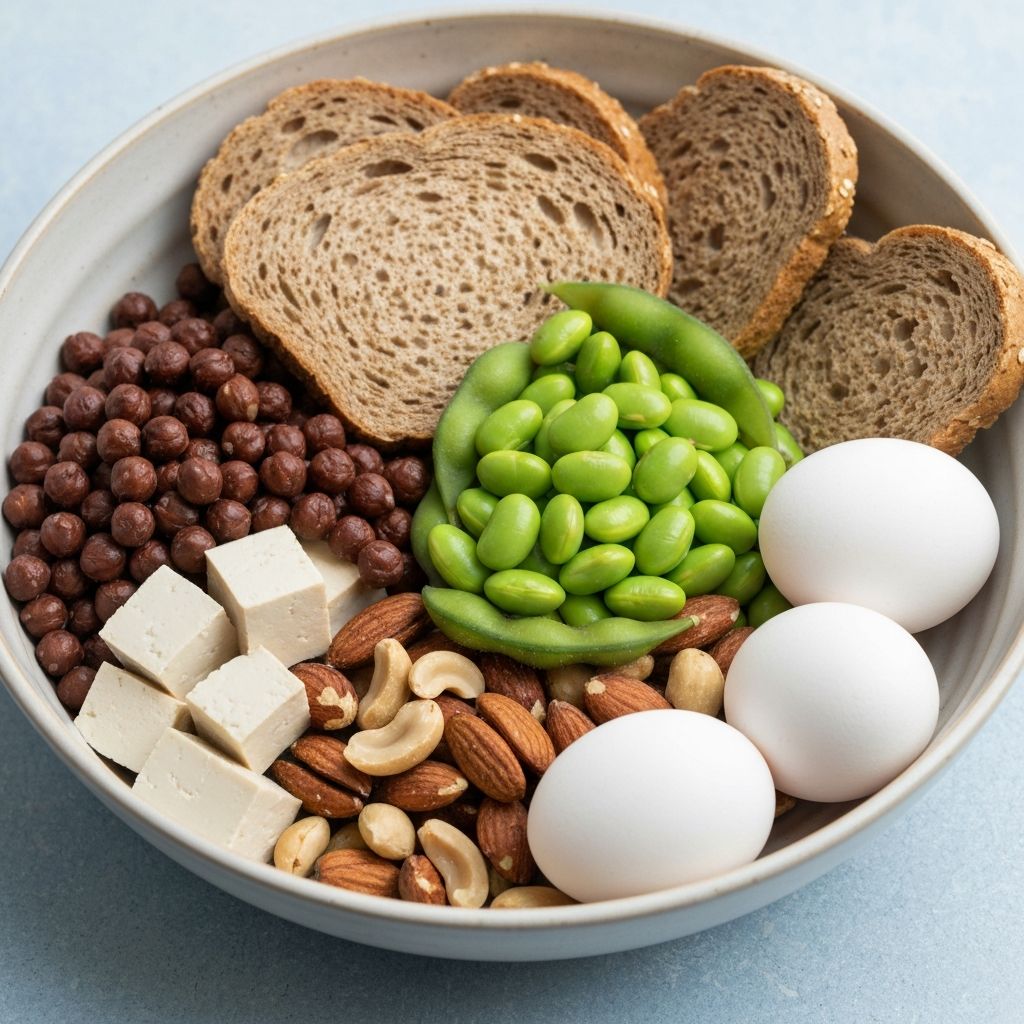
The availability of amino acids, particularly the branched-chain amino acids (BCAAs: leucine, isoleucine, and valine), is a key regulator of protein synthesis rates. Leucine, in particular, is a potent activator of the mTOR signalling pathway, a master regulator of protein synthesis.
When amino acids are abundant, the mTOR pathway is activated, promoting protein synthesis and inhibiting protein breakdown. Conversely, when amino acids are scarce, mTOR signalling is suppressed, reducing protein synthesis and promoting protein breakdown. This system creates a nutrient-sensing mechanism that coordinates protein metabolism with dietary availability.
Protein Breakdown (Proteolysis)
Protein breakdown occurs through multiple pathways. The ubiquitin-proteasome system targets individual proteins for degradation, while the autophagy pathway involves the breakdown of cellular components within specialised compartments. Both pathways contribute to protein turnover and the recycling of amino acids.
Tissue Remodelling and Adaptation
The balance between protein synthesis and protein breakdown creates a dynamic equilibrium. When synthesis exceeds breakdown, there is a net increase in protein content (anabolism). When breakdown exceeds synthesis, there is a net loss of protein content (catabolism). This balance is continuously adjusted based on physiological demands.
Different tissues respond differently to the same stimulus. Muscle protein synthesis is particularly responsive to mechanical loading and amino acid availability, while other tissues may have different regulatory patterns. Over time, variations in this balance result in tissue remodelling and adaptation.
Factors Influencing Protein Metabolism
Dietary protein intake, physical activity patterns, hormonal status (particularly insulin and growth hormone), age, and genetic factors all influence protein turnover rates. The complexity of these interactions means that protein metabolism cannot be reduced to a single variable, but rather represents a system involving multiple integrated regulatory mechanisms.
Important Context
This article presents neutral scientific information about protein metabolism and tissue turnover. It is provided for educational purposes only and does not constitute individual nutritional advice. Protein turnover is influenced by complex interactions among multiple physiological systems. Individual protein requirements vary based on genetics, activity patterns, age, and health status. Individuals should consult qualified professionals for personalised dietary guidance.